

Published: August 01, 2025
A Guide to Hurricane Preparation for Homeowners
During hurricane season, preparation is key, especially for homeowners. Strong winds, flooding, and flying debris can cause major damage, but the good news is there’s a lot you can do to reduce risk. Whether you’re new to coastal living or just want to make sure your home is storm-ready, this guide walks you through essential steps of hurricane preparation to help protect your property and loved ones.
1. Stay Informed and Know Your Risk
One of the most important parts of hurricane preparation is knowing what you’re up against. Check your local emergency management website or FEMA’s flood map service to see if you’re in a high-risk zone. Sign up for weather alerts from the National Weather Service or apps like NOAA Weather Radar Live so you can monitor updates in real-time. Knowing your zone also helps you understand evacuation routes and whether your home is vulnerable to storm surge or flooding.
2. Review and Update Your Insurance
Before a storm even forms, review your homeowners’ insurance. Most policies don’t cover flood damage, so you may need to purchase separate flood insurance through the National Flood Insurance Program (NFIP). Also, double-check that your policy limits are high enough to cover current home repair and rebuilding costs. It’s smart to take photos or videos of your home’s interior and exterior for documentation in case you need to file a claim later.
3. Create a Hurricane Emergency Kit
A well-stocked emergency kit is a non-negotiable part of hurricane preparation. Store these items in a sturdy, waterproof container and keep it somewhere accessible:
- Flashlights and extra batteries
- Bottled water (at least one gallon per person per day for 3 days)
- Non-perishable food
- First-aid supplies
- Prescription medications
- Phone chargers and power banks
- Important documents in a waterproof pouch
- Cash (ATMs may be down)
If you have pets, include food, leashes, and any medications they need as well.
4. Secure Windows and Doors
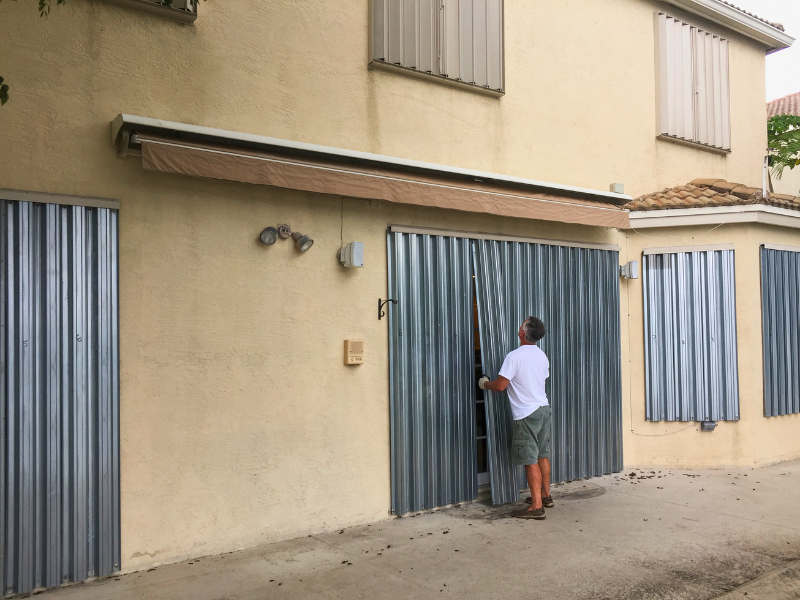
High winds are one of the most destructive elements of a hurricane. Installing hurricane shutters or boarding up windows with plywood can prevent broken glass and keep debris from flying into your home. Reinforce garage doors and seal any gaps around exterior doors to minimize wind and water intrusion. If budget allows, consider upgrading to impact-resistant windows and doors, especially if you live in a hurricane-prone region.
5. Clear Your Yard and Gutters
Before a storm hits, walk around your property and remove or secure anything that could become a projectile. This includes patio furniture, garden tools, potted plants, and outdoor toys. Trim tree limbs and remove dead branches to prevent them from crashing into your home during high winds. Clogged gutters and downspouts can lead to water backing up into your roof or siding, so make sure they’re clear and draining properly.
6. Prepare for Power Outages
Extended power outages are common after hurricanes. To prepare:
- Invest in a generator if possible, and know how to use it safely
- Charge all electronics ahead of time
- Keep your refrigerator and freezer closed as much as possible
- Freeze containers of water to help keep food cold longer
- Stock up on easy-to-eat meals that don’t require heating
Battery-powered fans and solar chargers can also come in handy if you’re without power for several days.
7. Make a Family Communication Plan
Your family may not be together when a hurricane strikes. Decide in advance how you’ll communicate and where you’ll meet if you need to evacuate. Share your plan with extended family and close friends. Keep a list of emergency contacts, including local shelters, hospitals, and utility companies, in both digital and paper form.
8. Practice Ongoing Hurricane Preparation
Don’t wait until a storm is approaching to start preparing. Make hurricane preparation part of your regular seasonal routine. Schedule reminders to check your emergency kit, refresh supplies, and review your evacuation plan. The more proactive you are, the more confident and calm you’ll feel when hurricane season arrives.
Owning a home in a hurricane-prone area comes with responsibilities, but good planning can make a world of difference. By taking the time to secure your property, stock up on essentials, and stay informed, you’ll be in a much stronger position to weather the storm. Remember, effective hurricane preparation starts long before the first warning, and it helps protect what matters most.
For secure and reliable storage solutions before or after a hurricane hits, visit UNITS® Moving and Portable Storage of Southwest Florida or call (941) 759-5937 today!